
Quantity and Material Takeoff Services You Can Actually Rely On
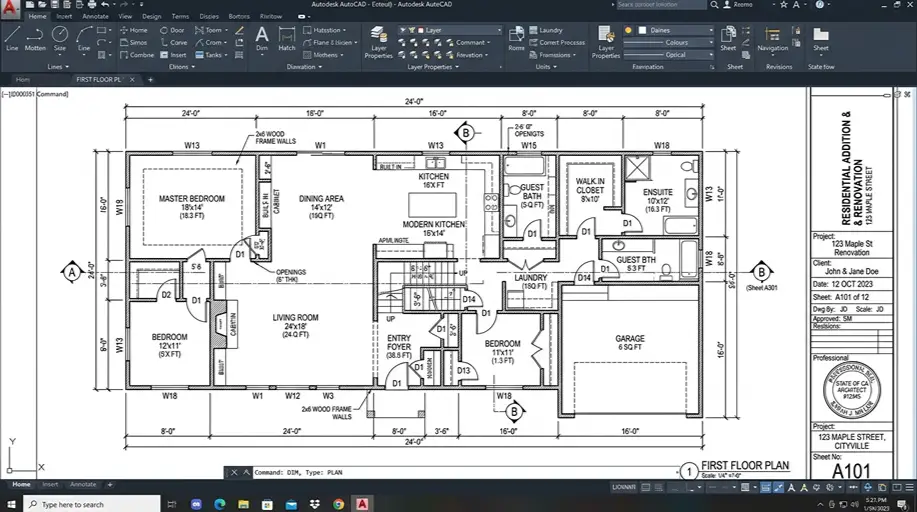
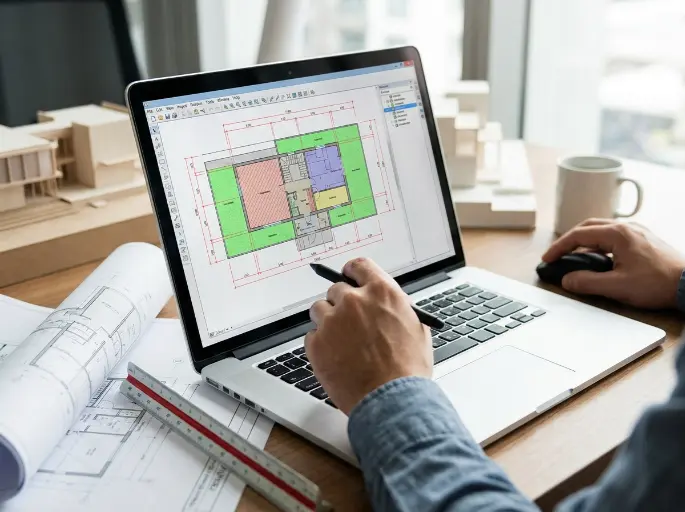
A quantity and material takeoff is only worth having if the numbers hold up once the job starts. That's the bar every project has to clear at Digital Estimating. We work straight off your architectural, structural, civil and MEP drawings and pull trade by trade quantities that match what's actually on the plans. No rounding up, no industry averages standing in for real numbers. Contractors come to us because guessing on a takeoff costs money twice. It costs you the bid if your numbers run high, and it costs you the margin if they run low. We'd rather spend the extra hour getting a quantity right than hand you something that looks finished but falls apart once material starts getting ordered.What Happens Before We Start Counting
Before a single quantity gets pulled, one of our estimators reads through the entire drawing set. We're checking scope, confirming which trades are involved, and noting anything the architect or engineer flagged as a special condition. Skipping this step is how takeoffs end up missing a scope item three weeks into a project, and that's not a mistake we're willing to make. Once the review is done, the actual takeoff follows the CSI MasterFormat structure. That's not just a formatting preference. It means the output lands in your pricing sheet the same way your team already organizes a job, so there's no reshuffling numbers before you can use them. We also note down anything that looks off on the plans themselves. Sometimes a schedule doesn't match a detail drawing, or a dimension on one sheet contradicts another. Rather than pick one and move on, we write it down and pass it back to you so you can decide how to handle it.What Gets Measured
Every trade gets pulled directly from the plan set rather than estimated. That includes the items contractors actually price against day to day.- Concrete volumes for footings, slabs and foundation walls
- Framing lumber counts broken out by member size
- Roofing squares and underlayment quantities
- Drywall sheet counts and paint coverage areas
- Electrical fixture and device counts
- Mechanical equipment schedules and duct runs
- Plumbing fixture counts and pipe run lengths
- Sitework quantities including excavation and paving areas
The Second Look That Catches What Gets Missed
After the first pass, a second estimator goes back through the whole document against the drawings again. This is where transcription errors get caught, along with conflicts between architectural and structural sheets that happen more often than you'd think. If the plans themselves are unclear or something's missing, we flag it right there instead of letting you find out mid build. This second review isn't a quick glance either. It's a full recheck of every quantity against the source drawing, page by page. Two sets of eyes catch things one set misses, and on a project where a single miscounted line item can throw off a whole bid, that extra step matters.Why the Details Actually Matter
An inflated quantity and an underestimated one both cause problems, just in opposite directions. Go too high and your price loses to a competitor with tighter numbers. Go too low and you're the one absorbing the shortfall once material's already on order. We don't pad numbers in either direction. What you get reflects the actual scope on the drawings, so your team can apply its own margin without wondering if the base number is even right. We hear from a lot of contractors who've been burned by a takeoff that looked fine on paper but didn't hold up once framing started or once a supplier quoted against it. Usually the problem traces back to someone estimating a quantity instead of measuring it. We measure everything.How the Data Gets Delivered
We format output the way contractors actually use it, not the way it's easiest for us to produce. That usually means a spreadsheet broken out by CSI division, a marked up PDF showing exactly where each quantity came from on the plan sheet, or a file built for direct import into PlanSwift or Bluebeam Revu. If your team works off a specific template or a particular column layout, tell us and we'll match it. There's no reason you should have to reformat a takeoff just to get it into your own pricing system.Services That Pair With a Takeoff
Many of our clients start with a standalone quantity and material takeoff and later expand into a broader estimating relationship. Our Residential Estimating and Commercial Estimating services apply current material and labor pricing to the quantities we produce, turning a takeoff into a complete cost estimate ready to submit. For projects with insurance or restoration scopes, our team also supports Xactimate Estimating, building line item estimates formatted for adjuster review and claim submission. Contractors bidding on government and municipal work often need takeoffs paired with the certified documentation those bids require. Our Public Bid Estimating service builds on the same quantity data with the formatting and backup that public sector reviewers expect. If your project is still in the design phase, our Residential Architecture Plans, Commercial Architecture Plans, and Site Plans and Elevations services can carry a project from concept through a construction ready plan set, with takeoffs produced from the finished drawings. Our Permit Drawings services pick up right where the design phase ends, turning a finished plan set into a construction ready package that a takeoff can then be pulled from.Who We Do This For
Our takeoffs support a wide range of contractors and estimating teams, not just one type of build.- General contractors preparing competitive bids
- Subcontractors pricing a single trade scope
- Estimating departments handling overflow work
- Developers scoping a project before financing is finalized
- Insurance and restoration companies needing accurate material counts
Turnaround Times by Project Type
| Project Type | Typical Turnaround |
|---|---|
| Single trade scope | 24 hours or less |
| Full residential takeoff | 24 to 48 hours |
| Multi trade commercial takeoff | 48 to 72 hours |
| Large scale or phased projects | Scoped individually on request |
Common Mistakes We Watch For
A lot of takeoff errors come from the same handful of causes, and knowing what they are is half of avoiding them.- Relying on a scaled drawing instead of dimensions actually noted on the plans
- Missing a revision that changed a quantity after the original drawing set was issued
- Applying a generic waste factor instead of one suited to the actual material and method
- Overlooking a note buried in a schedule rather than shown on the main drawing